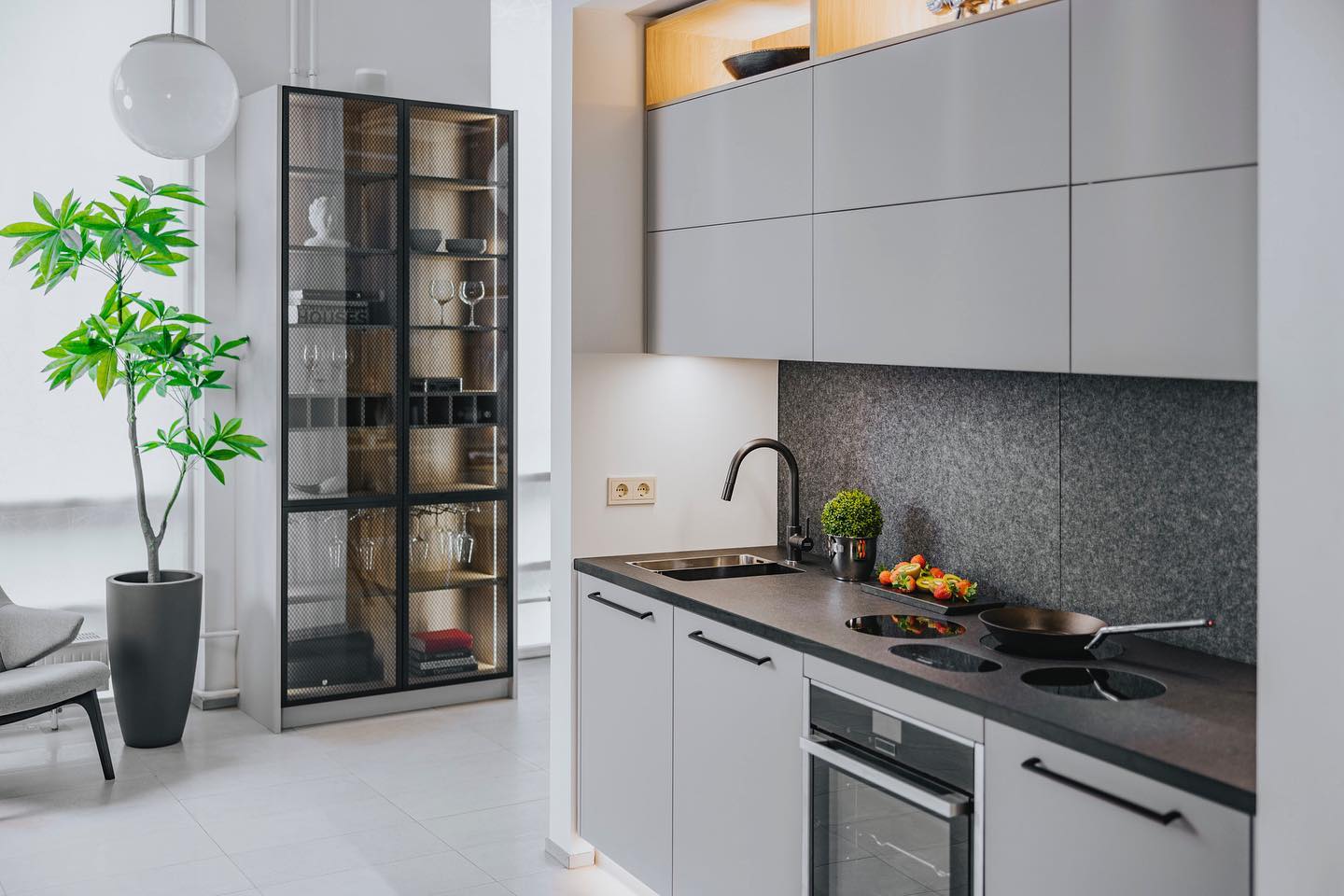
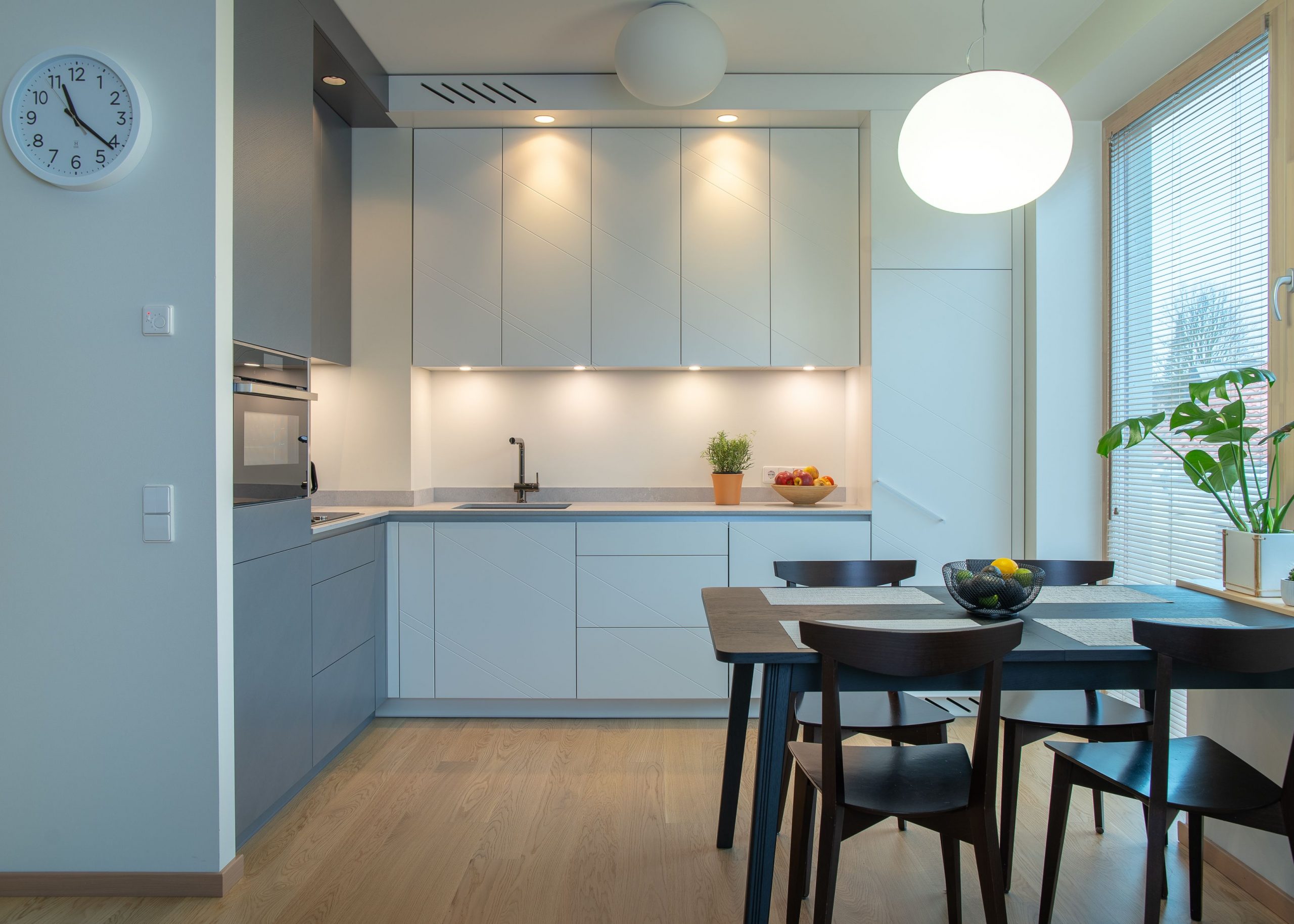
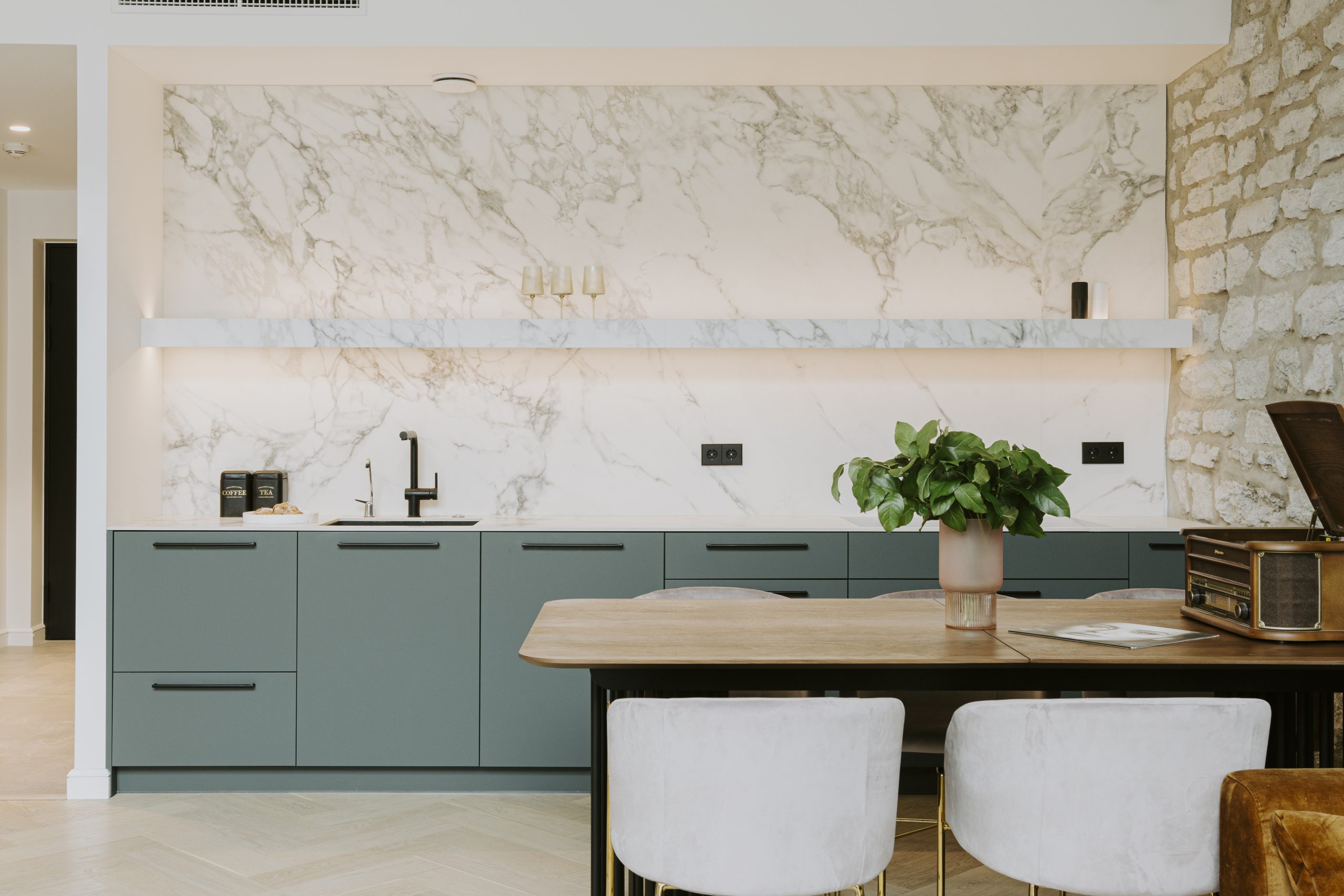
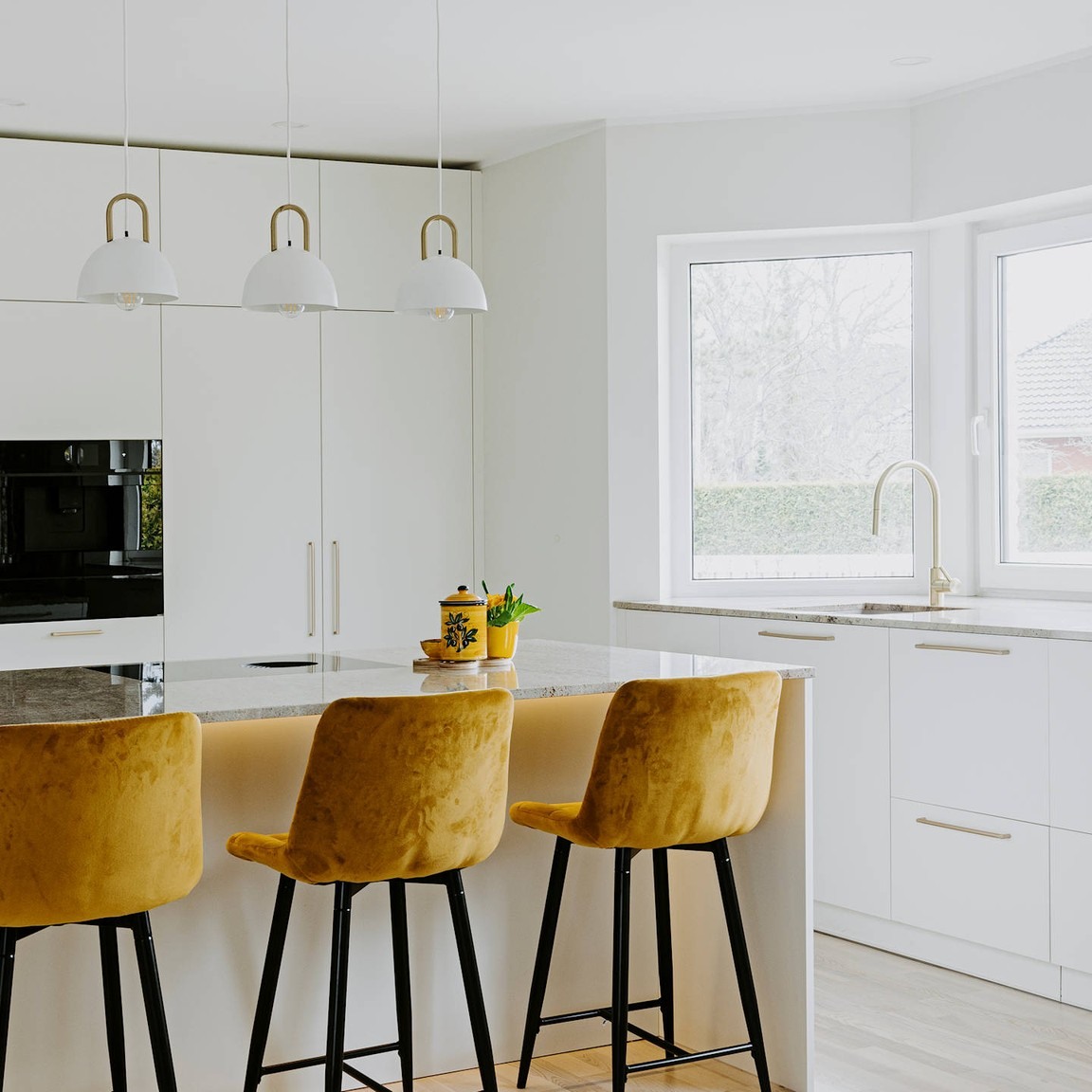
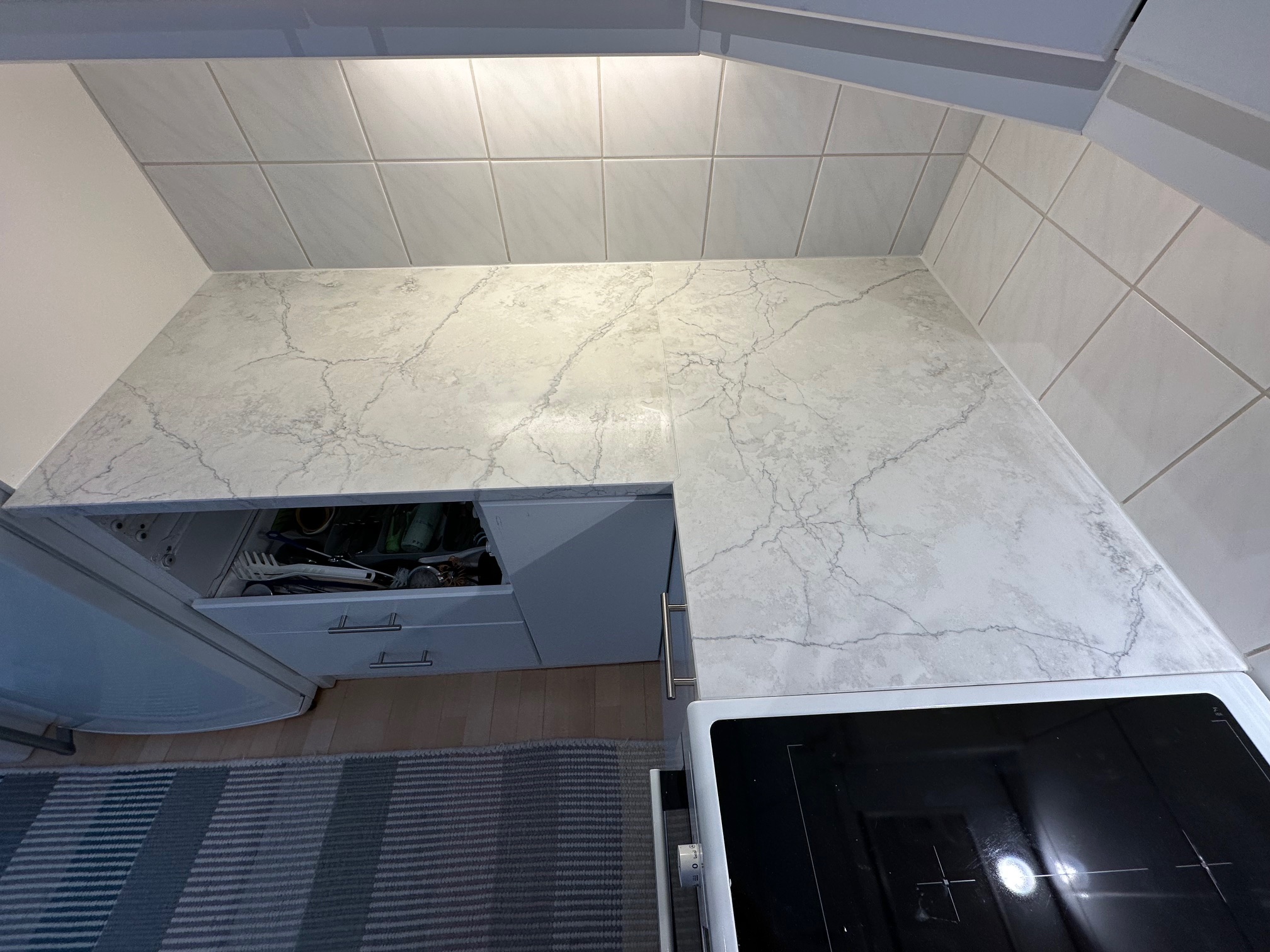
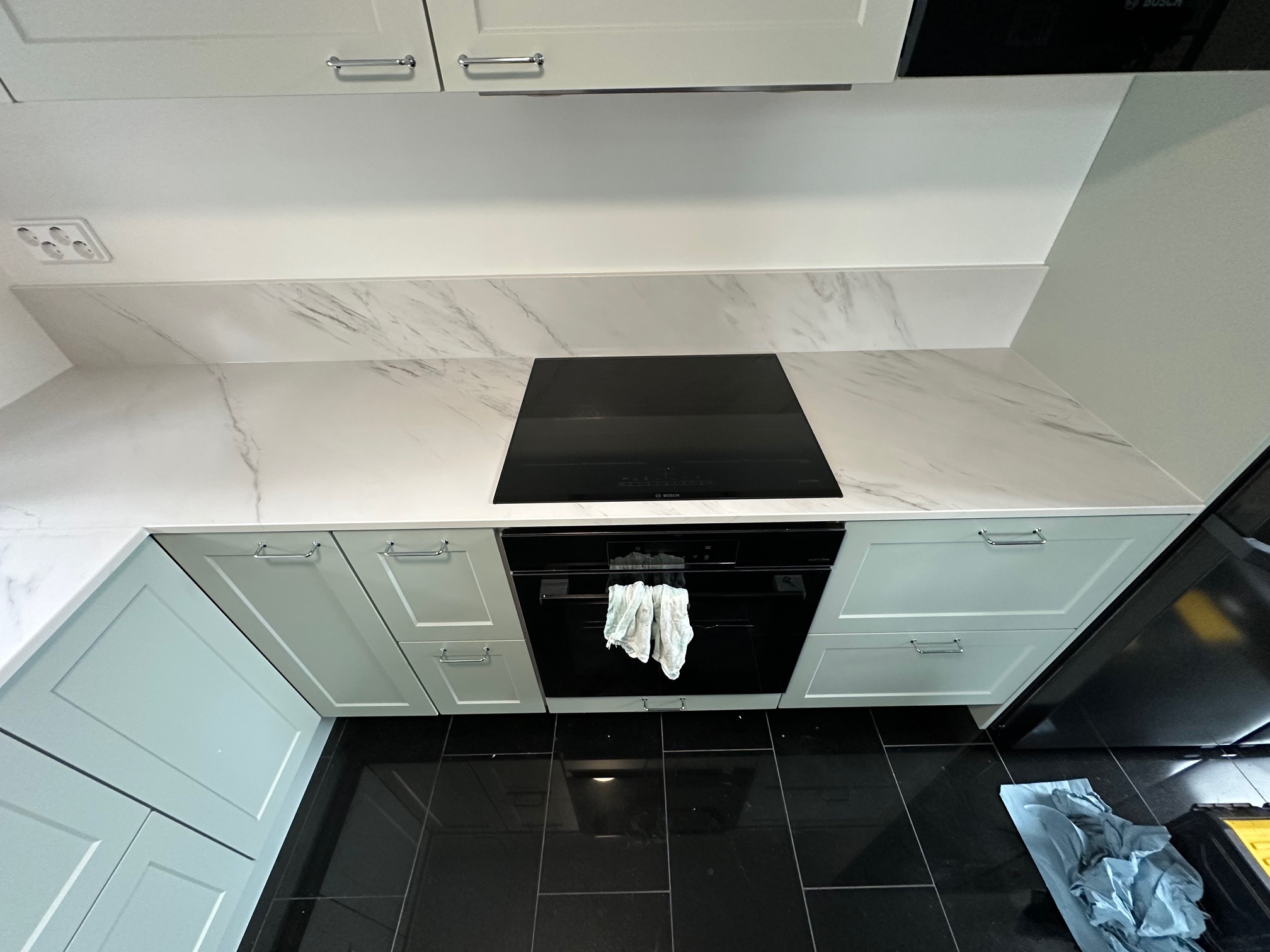
A stone countertop is durable, requires minimal maintenance, and withstands the accidents and mishaps of everyday life. Uniqueness is the key when it comes to stone surfaces - timeless patterns and classic tones painted by nature make your interior everlasting. It’s like a flame you never get tired of watching.

If you’re updating your kitchen and looking for a durable and stylish countertop, a stone surface might be a great choice. Stone countertops such as quartz, granite, or marble offer several advantages, but it’s important to make a thoughtful decision based on your needs and budget.
First, consider how you use your kitchen. If you love to cook and need a countertop that stands up to heat and scratches, granite might be the ideal option.
Next, think about maintenance. Quartz is a good choice if you’re looking for low upkeep, as it’s resistant to stains and scratches. Also, make sure the stone surface you choose is easy to clean and suits your daily routines.
Marble, on the other hand, adds an elegant and luxurious touch to the kitchen but is more sensitive to stains and acidic substances.
Take style into account—stone countertops come in a wide range of looks, from natural patterns to uniform colors. Choose something that matches well with your kitchen’s overall design and color scheme.
Lastly, but importantly, keep your budget in mind. Different types of stone and finishes can vary significantly in price. Find the right balance between cost and the features you want to achieve the ideal combination of durability, style, and affordability.
 Antique
Surface treatment that gives the stone an antique appearance, with a soft and textured finish.
 Leather
Brushing the surface creates a slightly textured or leathery finish.
 Polished
Polished surface finish is shiny and has a mirror effect. Polished stone slabs are used mostly indoors.
 Matte
Matte
A matte surface is smooth but dull or minimally reflective.
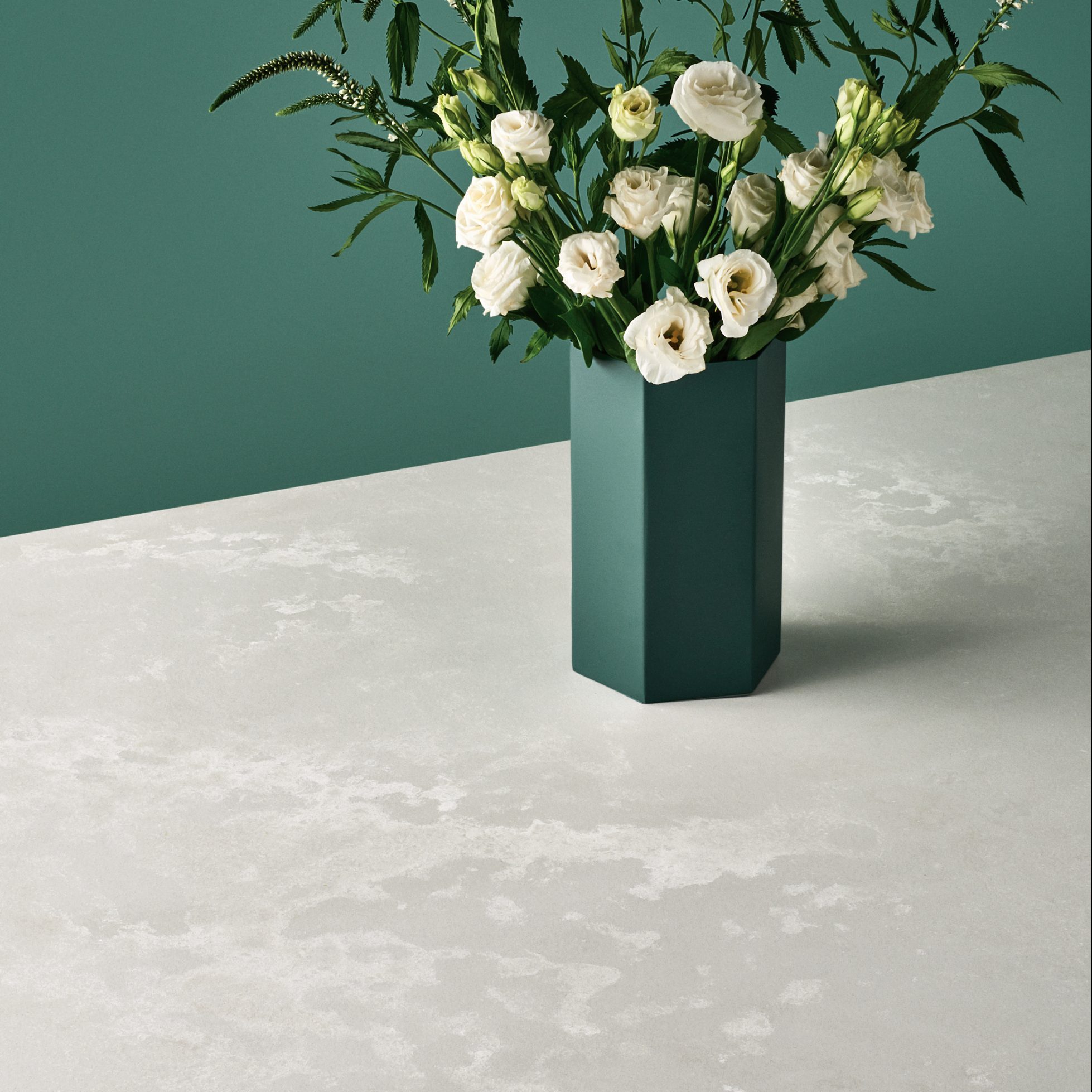 Brushed
Structured matte finish.


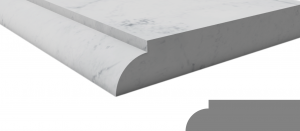


A sink with a thin upper edge is installed in the same way as a standard undermount sink. Thanks to the thin edge profile, the transition between the countertop and the sink is nearly seamless.


In the case of fully integrated design, the upper edge is on the same level as the countertop. To achieve this, the contour of the countertop must be routed. The sink is installed in such a way that the routed part is covered.


This classic installation method refers to the sink being mounted into a pre-prepared hole in the countertop from above. It is suitable for sinks of various shapes, sizes, and styles.
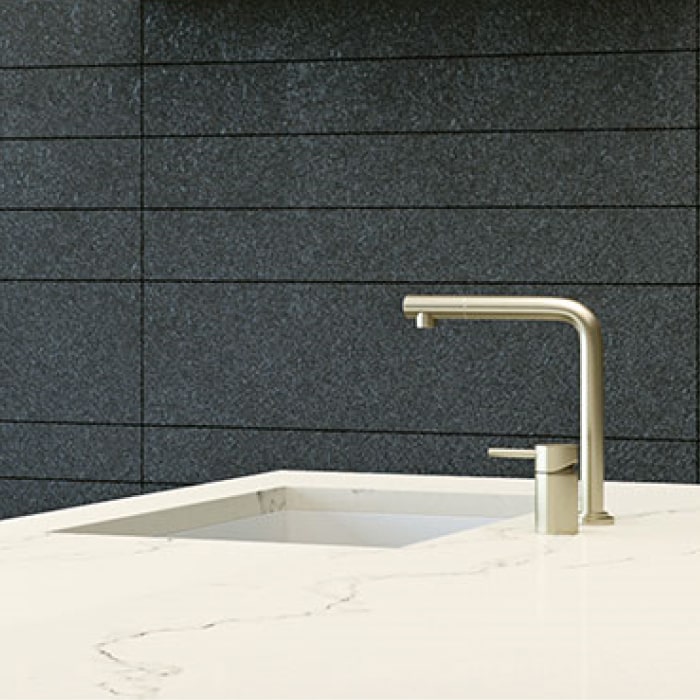

Undermount sinks create a smooth, seamless surface. Installed under the countertop, they provide a rimless finish, making cleaning easier and seamlessly fitting into the kitchen environment.

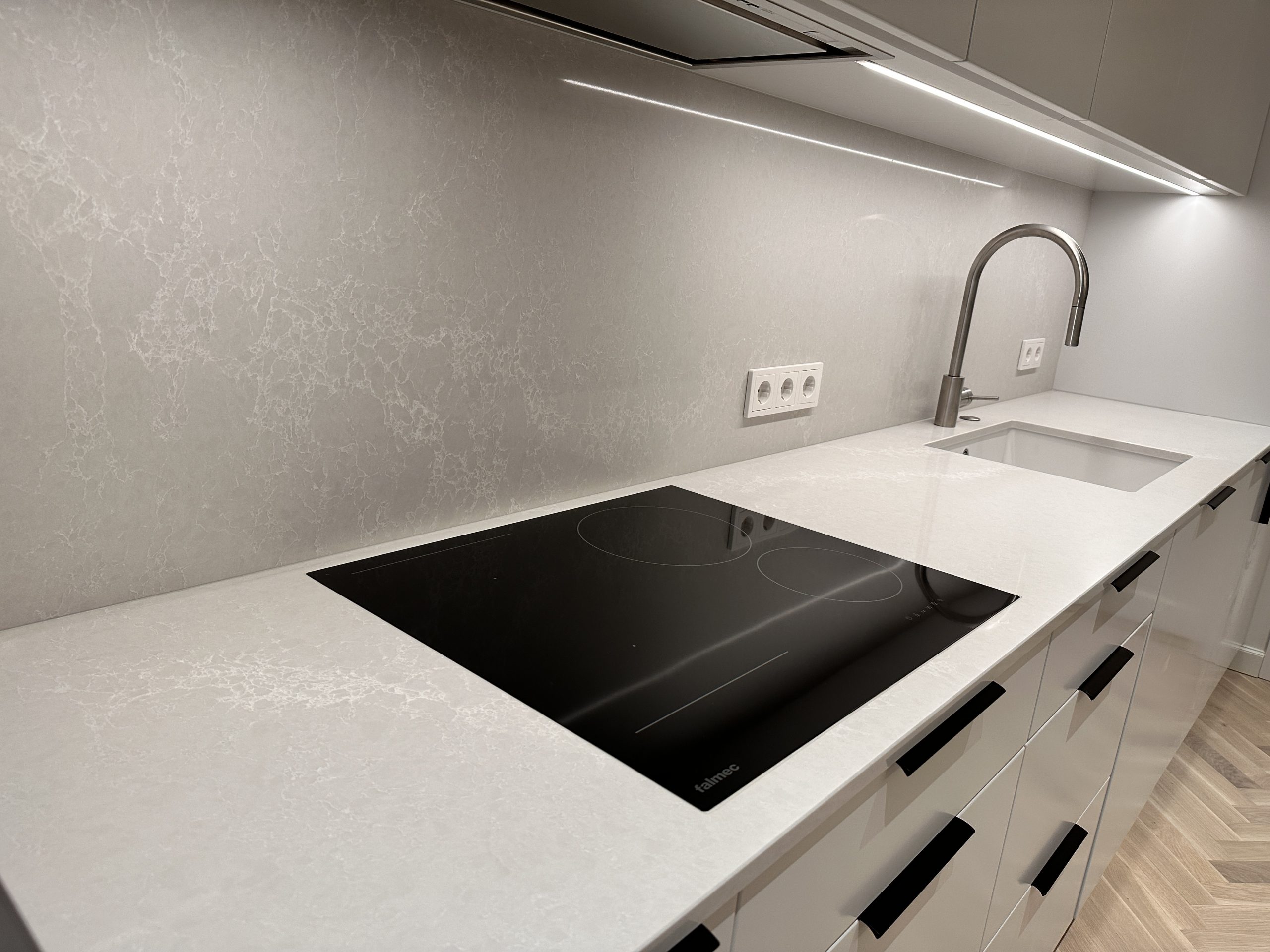
The hob is installed into the countertop so that it forms a flush surface with the stone.

The edge of the hob completely conceals the hole cut into the countertop stone. The edges of the hob opening are not finished.

 3D visualization of Caesarstone quartz countertops to help make a more informed choice.
View the 3D visualizer
3D visualization of Caesarstone quartz countertops to help make a more informed choice.
View the 3D visualizer