


When choosing stone for the bathroom, start with the color tone. Stone works well for floors and walls, as well as for shower interiors. In any case, you need to make sure that the stone you want to install in your bathroom is suitable for wet areas. Natural stone is a long-lasting choice for bathroom countertops, windowsills, floors, and walls. Besides floors and walls, stone can also be used as a bath surround or even as cabinet doors. Thanks to modern installation methods that reduce the stone’s vulnerability to water damage and staining, stone is gaining popularity in bathroom use.
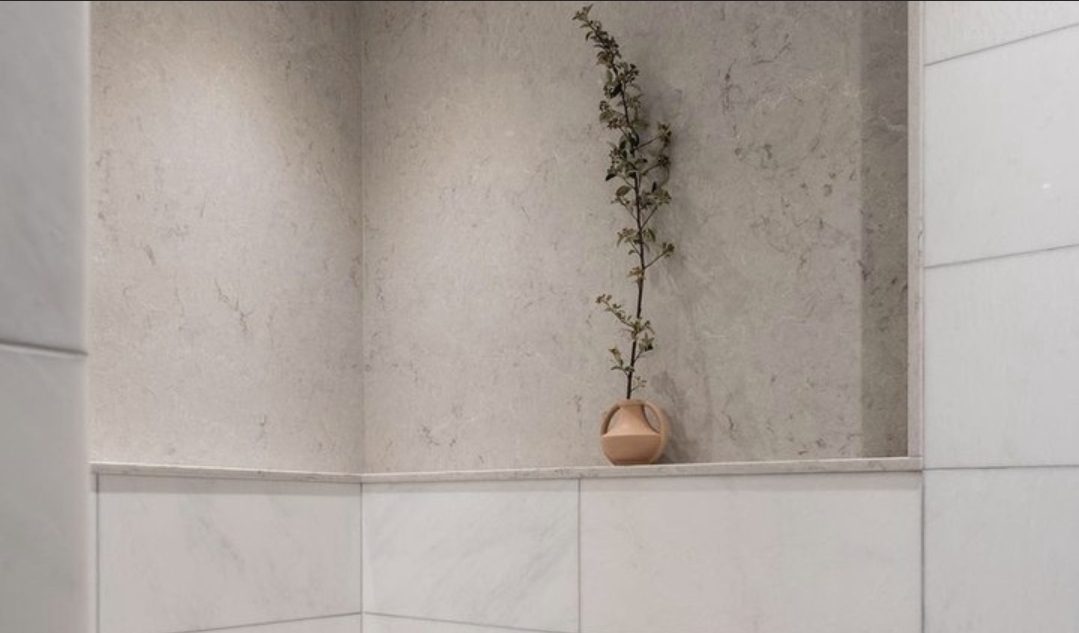
 Antique
Surface treatment that gives the stone an antique appearance, with a soft and textured finish.
 Leather
Brushing the surface creates a slightly textured or leathery finish.
 Polished
Polished surface finish is shiny and has a mirror effect. Polished stone slabs are used mostly indoors.


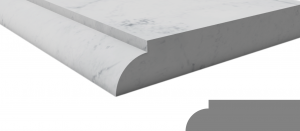


A sink with a thin upper edge is installed in the same way as a standard undermount sink. Thanks to the thin edge profile, the transition between the countertop and the sink is nearly seamless.


In the case of fully integrated design, the upper edge is on the same level as the countertop. To achieve this, the contour of the countertop must be routed. The sink is installed in such a way that the routed part is covered.


This classic installation method refers to the sink being mounted into a pre-prepared hole in the countertop from above. It is suitable for sinks of various shapes, sizes, and styles.
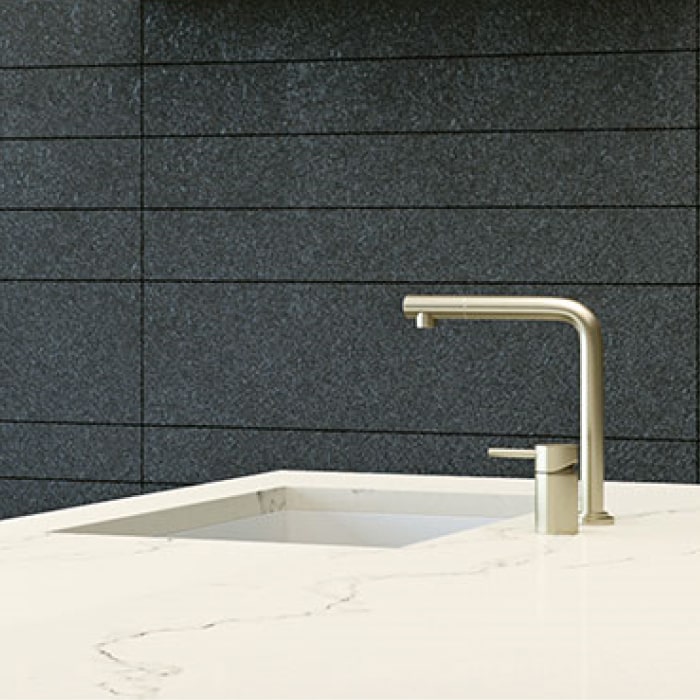

Undermount sinks create a smooth, seamless surface. Installed under the countertop, they provide a rimless finish, making cleaning easier and seamlessly fitting into the kitchen environment.


