Granite is a 100% natural material with a unique color and pattern. Countertops are made from granite quarried from different parts of the world, which is then cut to the desired size and finished along the edges and surface. Granite countertops are durable, heat-resistant, and, with proper and regular care, can last for many years.
Granite is formed through the crystallization of lava beneath the Earth's surface. This natural stone is found and quarried in various parts of the world, with each region producing granite that differs slightly in structure and color palette. Massive stone blocks weighing several tons are cut into slabs, which are then processed according to specific needs.
Granite's scratch resistance is supported by the Mohs scale of hardness (ranging from 1 to 10), where 10 represents the hardness of a diamond. Granite ranks between 7 and 8 on this scale. While granite is extremely hard, anything as hard or harder than granite can still scratch it.
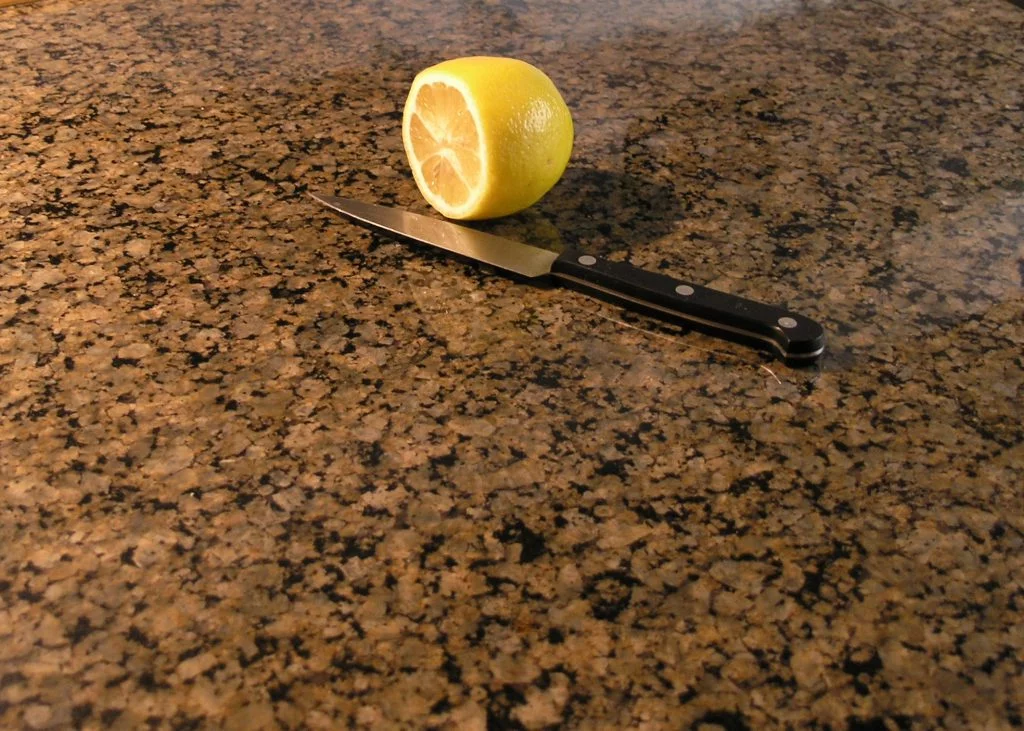
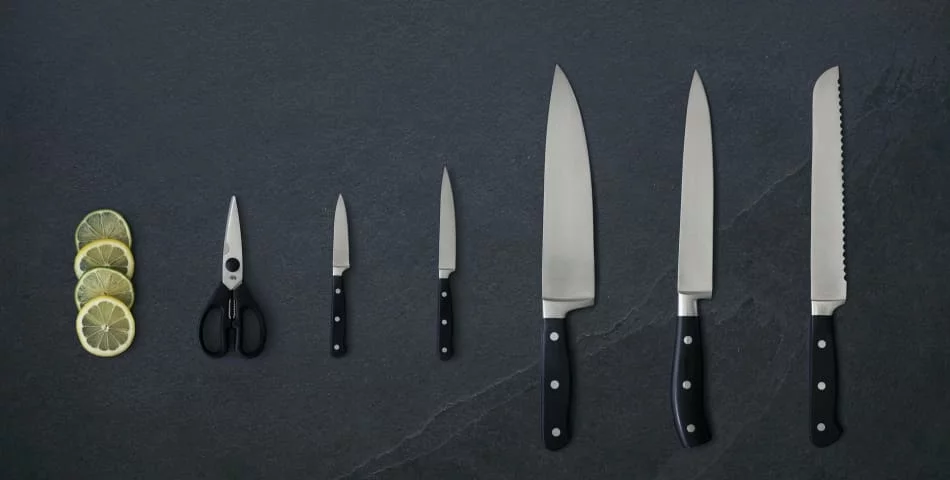
For example, granite can be scratched by other pieces of granite, diamonds, or rough-edged ceramics. Before you throw out your cutting boards, keep in mind that although stainless steel knives won’t damage granite countertops, cutting directly on the surface will dull your knives and significantly shorten their lifespan.
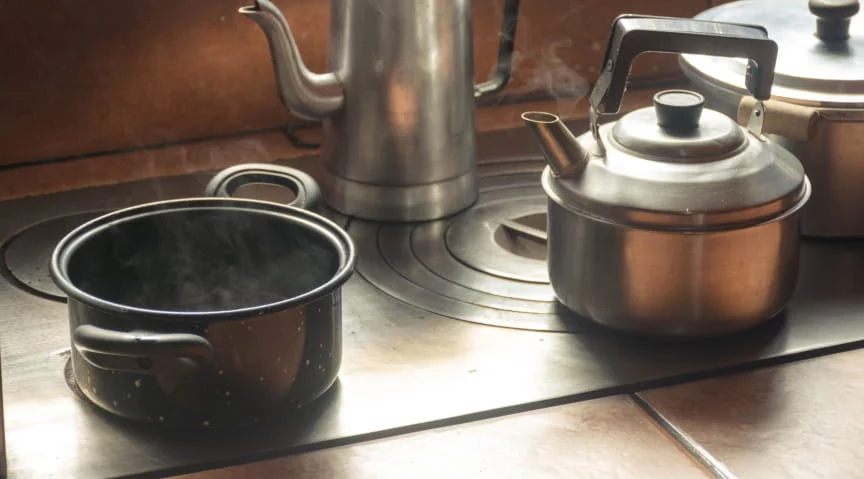
Granite is heat resistant under everyday kitchen conditions. This means placing hot pots or other cookware directly on a granite countertop will not damage it. Granite can only be harmed by temperatures exceeding 500 degrees Celsius. When was the last time you used such extreme heat while cooking? That said, it’s still wise to avoid thermal shock.

When considering kitchen hygiene, choosing a granite countertop is a smart decision. Polished granite surfaces are easy to clean. Light-colored or matte granite tends to be more porous and should be impregnated when new to protect the stone from stains.

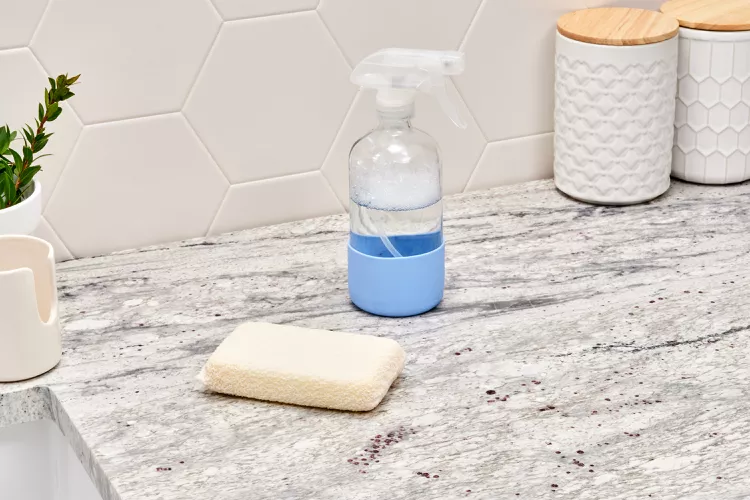
For daily cleaning of a granite countertop, use a damp microfiber cloth, warm water and if needed, a neutral (pH 7) or mildly alkaline (pH 8–10) detergent. It’s best to choose products specifically designed for natural stone, but for everyday maintenance, dishwashing or glass cleaning detergents (e.g., Frosch) are also suitable. Avoid cleaning agents containing acids or bleach.
The stone surface is also sensitive to abrasive materials — micro-scratches can be caused by wire scrubbers or even sand particles caught on a cleaning cloth.
All countertops are treated with a protective impregnating agent to ensure long-lasting durability, preventing liquids from penetrating the stone. Depending on usage intensity and the type of granite, we recommend reapplying a specially designed natural stone impregnator every 1–2 years.
To check the condition of your stone surface, perform a simple test: drop some hot water on the countertop, let it sit for 10–20 minutes, then wipe it off. If a darker spot remains after wiping, it means the water has absorbed into the stone’s pores, indicating it’s time to reapply the protective treatment.
For light-colored granite, if the water beads up and stays on the surface, the countertop is well protected. However, if the water spreads out or starts soaking in, the stone should be treated with a new protective layer.
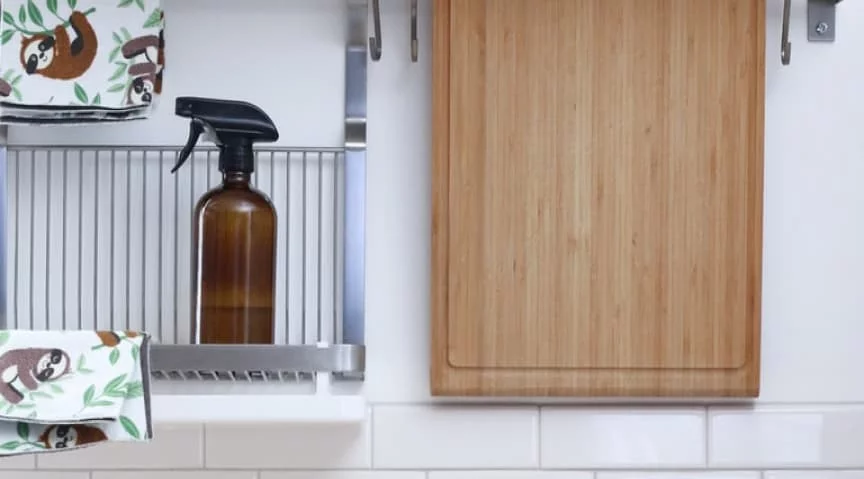
Granite surfaces should be carefully protected against stains, especially when using lighter stones. Avoid letting chemicals and corrosive substances come into contact with the surface. Please note that polished and leathered finishes can easily show scratches from metal objects.
We recommend removing any stains immediately with paper towels, water and detergent to prevent dirt from drying or penetrating the stone.
For tougher stains, use special products designed for natural stone. After using such products, we advise rinsing the surfaces again with water and detergent. For advice on suitable products, contact your stone supplier.
Although granite is quite scratch-resistant, we always recommend using cutting boards. Consistently working without a cutting board can damage both your knives and the countertop, causing the surface to dull and increasing the risk of stains. Using cutting boards also helps protect your countertops from scratches.
While granite has high heat resistance, it’s still advisable to use trivets for hot pots and pans taken directly from the oven or stove. Consistently placing hot cookware directly on the surface can cause heat damage, leading to dullness and loss of shine. Trivets also protect the stone from scratches caused by rough-bottomed clay pots.