Marble is a crystalline rock composed of various metamorphosed limestones, primarily containing calcite, dolomite, or a mixture of both. It is considered the most elegant and beautiful natural stone, truly unique both visually and to the touch. Pure calcite is white, while the stone’s distinctive color accents come from natural imperfections.
Marble is a crystalline rock composed of various metamorphosed limestones, primarily containing calcite, dolomite, or a mixture of both. It is considered the most elegant and beautiful natural stone, truly unique both visually and to the touch. Pure calcite is white, while the stone’s distinctive color accents come from natural imperfections.
This natural stone is found and quarried across different continents, with each region producing marble that varies slightly in structure and color palette.
Marble is not recommended for floors in high-traffic areas. In such conditions, a matte-finished stone is preferable, as polished marble tends to wear down and lose its shine over time. It is also not an ideal choice for kitchen countertops due to its relatively porous and soft nature, which makes it prone to staining and scratching. However, marble is very well suited for use in bathrooms, as fireplace surrounds, or for other decorative elements.
Marble is a softer stone in terms of properties compared to granite or engineered stone. Usually, darker marbles are stronger and less porous, which makes them more scratch-resistant and more resistant to stains. It is recommended to use cutting boards and avoid dragging heavy objects across the marble surface.

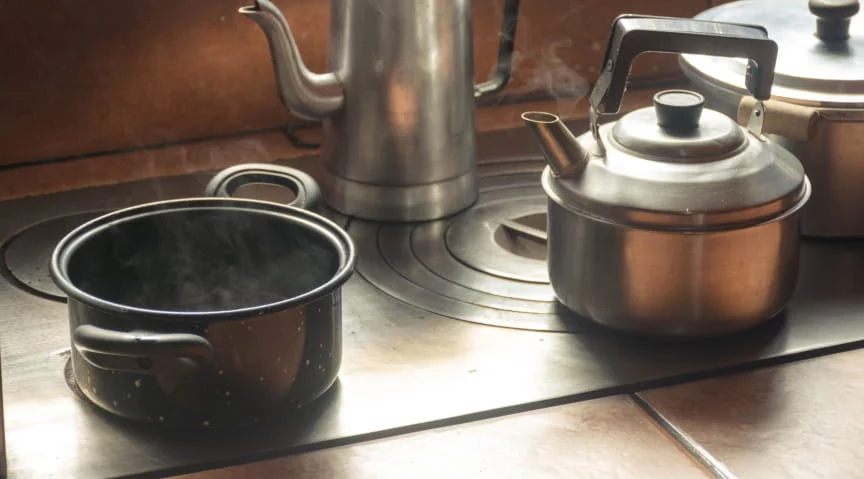
Like granite, marble is also heat-resistant and placing pots and pans directly on the surface does not damage it. Nevertheless, it is always recommended to use heat pads or to place a spoon handle between the hot pan and the stone to help disperse the radiant heat.

Marble is porous and stains can occur if oil or liquid soap seeps into microscopic pores. Sealing the surface with a specially designed product helps protect the stone from stains.

True marble mainly contains calcium carbonate, which reacts with acids (such as fruits, juice, soda, coffee, alcohol, salad dressing, etc.).
When such acidic liquids come into contact with the surface, they start to etch the marble. As a result, the marble loses its shine and a lighter, dull spot remains. To prevent this, all liquids spilled on the surface should be wiped off immediately.
For daily cleaning of marble surfaces, use a damp (microfiber) cloth, warm water and if necessary, a neutral (pH 7) or mildly alkaline (pH 8–10) detergent. It is preferable to use products specifically designed for natural stone, but dishwashing or glass cleaning detergents (e.g., Frosch) are also suitable for everyday maintenance. Avoid cleaning products containing acids or bleaching agents.
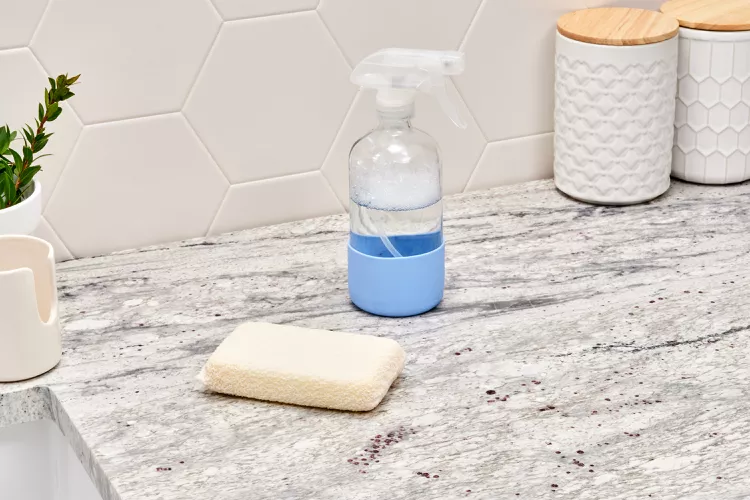
All surfaces are treated with a protective impregnating agent to ensure durability and prevent liquids from penetrating the stone. Depending on the level of use and the type of marble, we recommend reapplying the impregnation at least once a year using a special impregnating product designed for marble.
Marble is a porous material with high water absorption, requiring careful handling and protection against dirt. Avoid letting chemicals and corrosive substances come into contact with the surface. Everyday substances like coffee, tea, oils and acidic fruits also need to be treated with caution. We recommend removing any stains as soon as possible using paper towels, water and detergent to prevent dirt from drying or penetrating the stone. For tougher stains, use special cleaning products designed for marble. After using such products, the surfaces should be rinsed again with water and detergent. For advice on suitable products, contact your stone supplier.
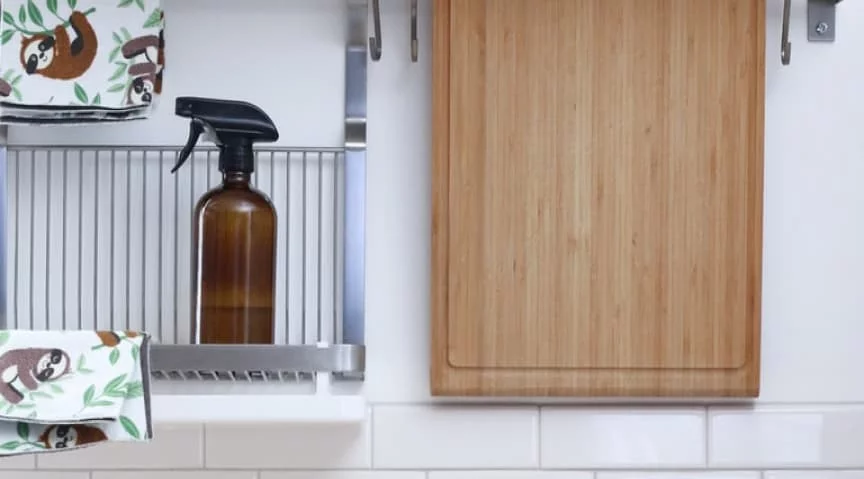
Because marble is softer and more porous than granite, its surface scratches quite easily. Therefore, cutting boards should always be used when working in the kitchen. To avoid damage, we also recommend using heat pads when placing hot cookware on marble surfaces.